Current Members
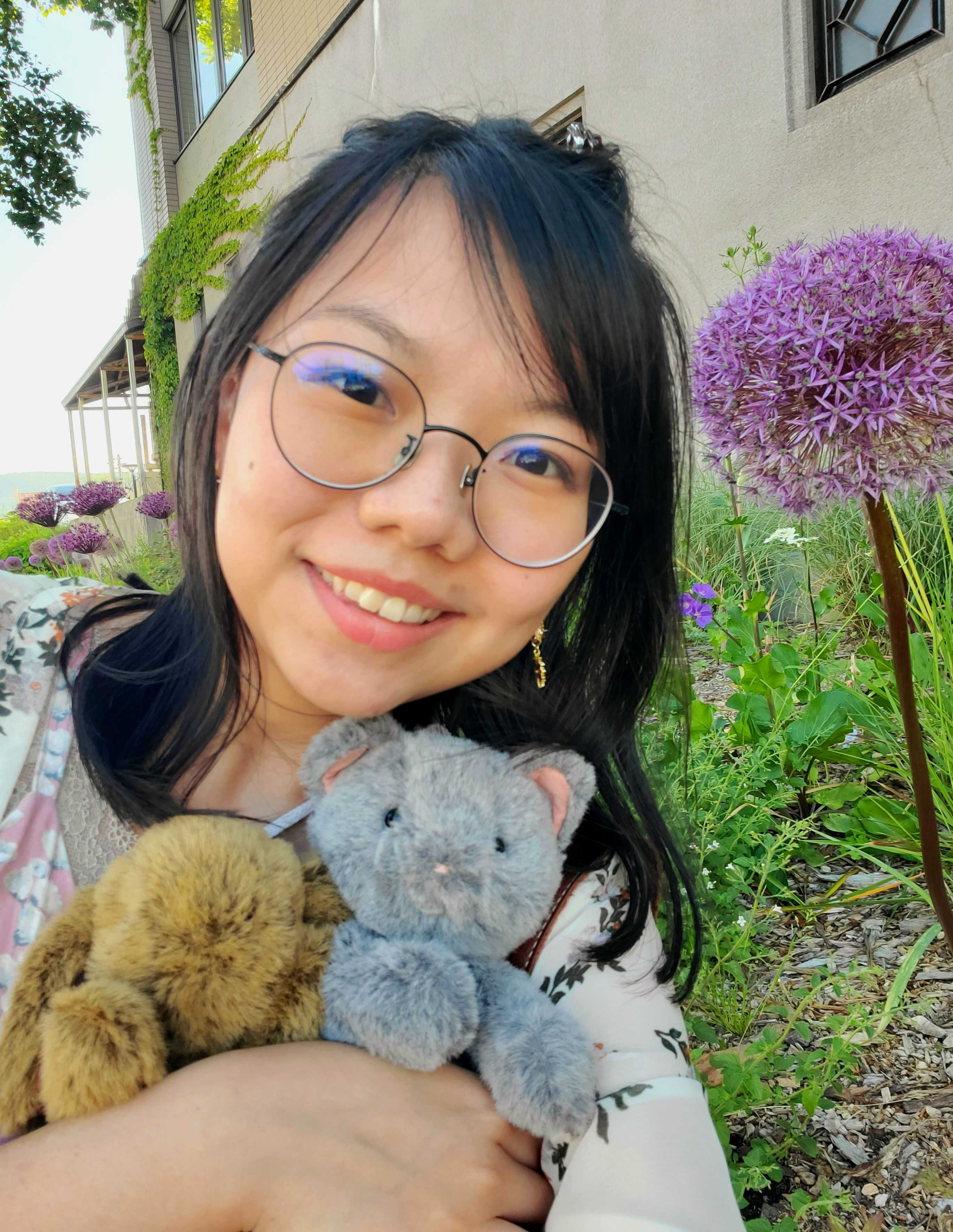 Dr. Clarissa Frederica, Ph.D.
Postdoctoral Researcher
cfrederica ‘at’ ucsb.edu
Clarissa is a plant ecophysiologist interested in understanding how the environment can mediate the relationship of plants and their symbiont partners, as well as influence resource distribution in plant communities. Prior to moving to Santa Barbara, Clarissa completed her PhD at the University of Tsukuba (Japan), where she studied parasitic plants with Prof. Louis Irving and looked at how abiotic stresses such as salinity and nutrient deficiency may affect host-parasite relations. She has a (slight) penchant for stable isotope tracer experiments and split-root box systems. She may be found lurking in the UCSB greenhouses on some afternoons. In her free time, Clarissa flutters between fictional writing and embroidery.
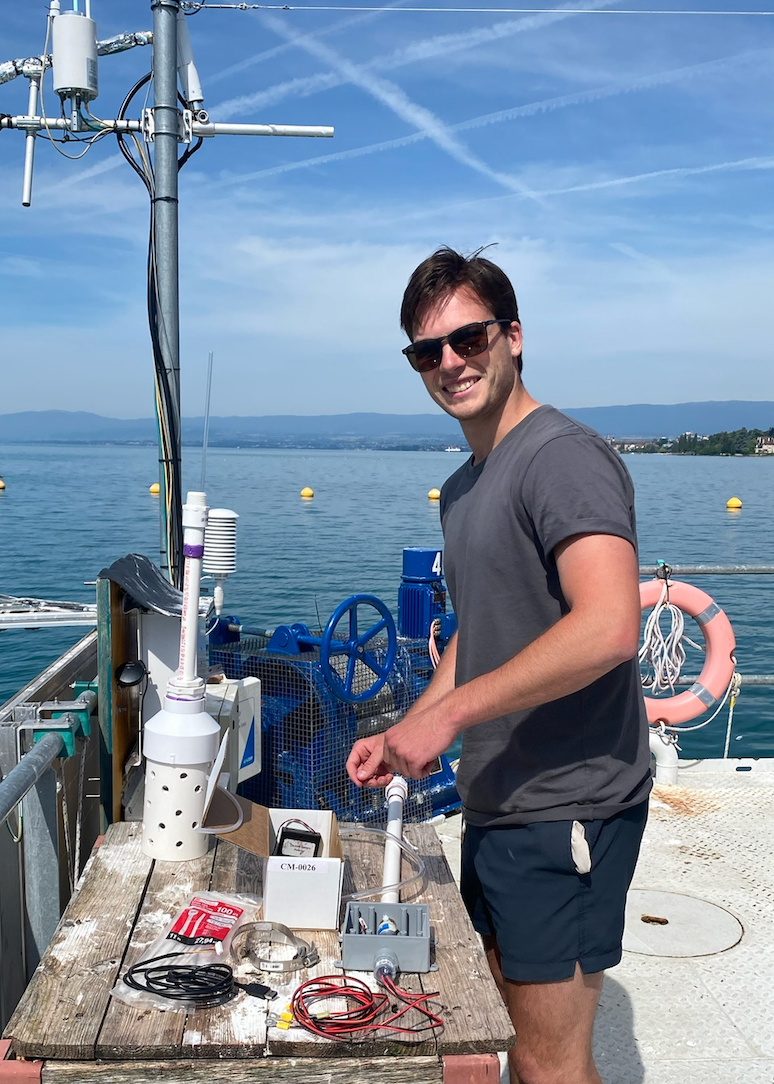 Julian Jacobs
Technician
julianjacobs ‘at’ ucsb.edu
Julian joined the lab as a technician in 2024. Julian’s fascination with photophysiology has developed into an interest in exploring how mixotrophic marine microbes meet their metabolic needs. He is curious about the evolutionary origins of the diverse array of nutritional strategies among extant mixotrophs, and the mechanisms that allow some lineages to acquire their photosynthetic capabilities through kleptoplasty. Julian received his undergraduate degree in Environmental Studies from Hamilton College during which time he focused on research questions regarding freshwater biogeochemistry and carbon uptake of marine macrophytes. In his free time, Julian enjoys making wheel-thrown ceramics, playing soccer, tide-pooling, reading, and being outdoors.
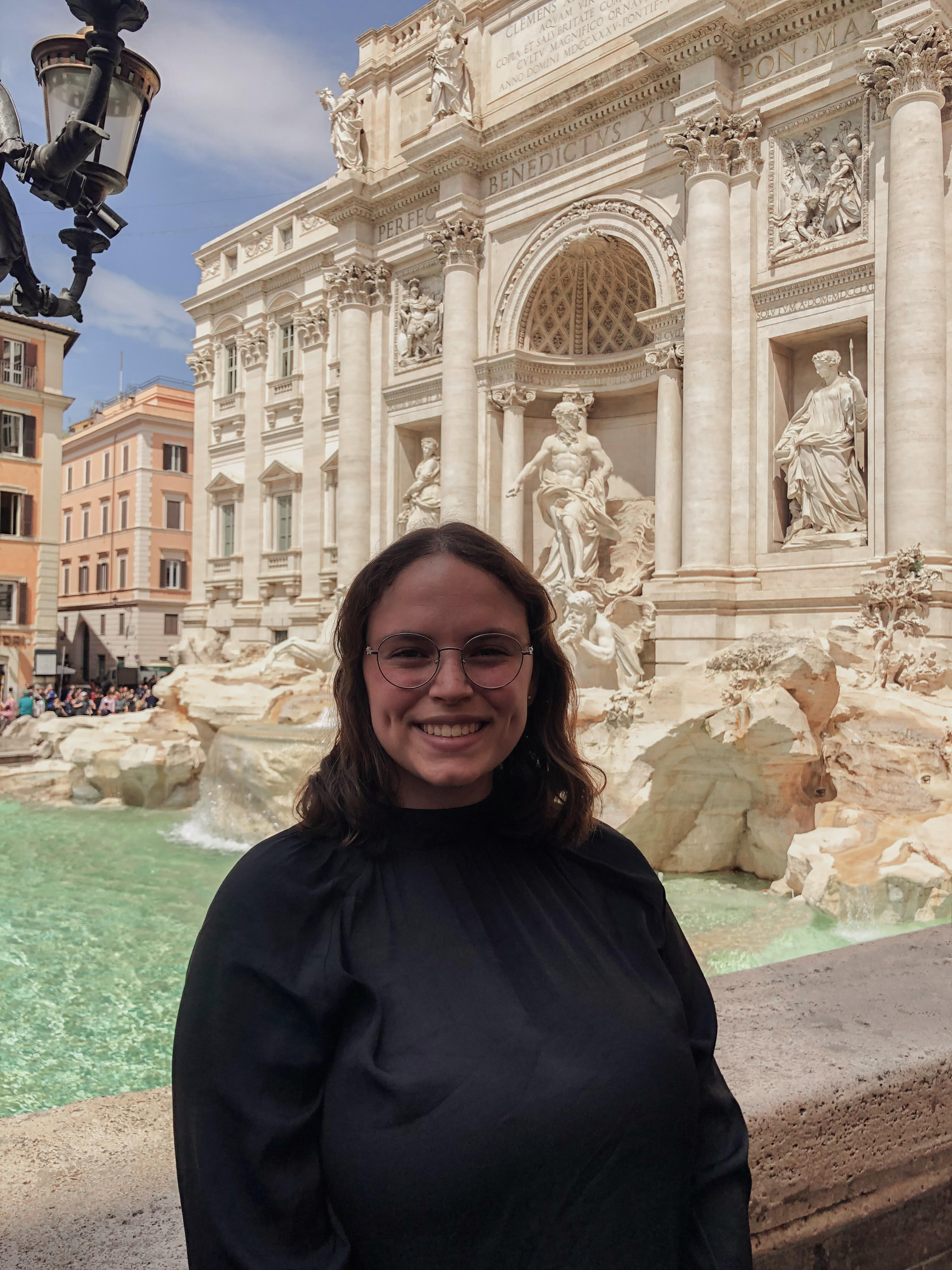
Samantha Jerry (she/her)
Ph.D. Student
samanthajerry ‘at’ ucsb.edu
Samantha is a Ph.D. student interested in understanding mixotrophy metabolism and ecology. She received her B.S. in Biology from the University of Alabama at Birmingham where she focused on coral bioenergetic responses to thermal stress in Dr. Dustin Kemp’s lab. She developed a strong interest in modeling after completing an internship with the Pacific Marine Environmental Laboratory as a NOAA Hollings Scholar. In the Moeller Lab, she will combine experimental and modeling approaches to analyze the trade-offs of differing metabolic strategies and determine the ecological and biogeochemical impacts of mixotrophy. In her free time, she enjoys reading, traveling, and spending time with her pets.
 Jonatan Kaare-Rasmussen
Undergraduate Researcher
Jonatan is a Computer Science major in the College of Creative Studies at UCSB. He is currently exploring the applications of Computer Science in Biological modeling through a set of agent based models. He is currently focusing on modeling the symbiotic relationship between cleaner shrimp and various coral fish. Specifically, the project focuses on how differences in fish behavior and sensory perception impacts the distribution of cleaner shrimp across a coral reef. He is also working with Machine Learning and Computer Vision to improve and automate the process of cataloging and interpreting biological data from images. Outside of his research, Jonatan can either be found skiing, or dreaming about skiing.
 Amelie L’Etoile-Goga
Undergraduate Researcher
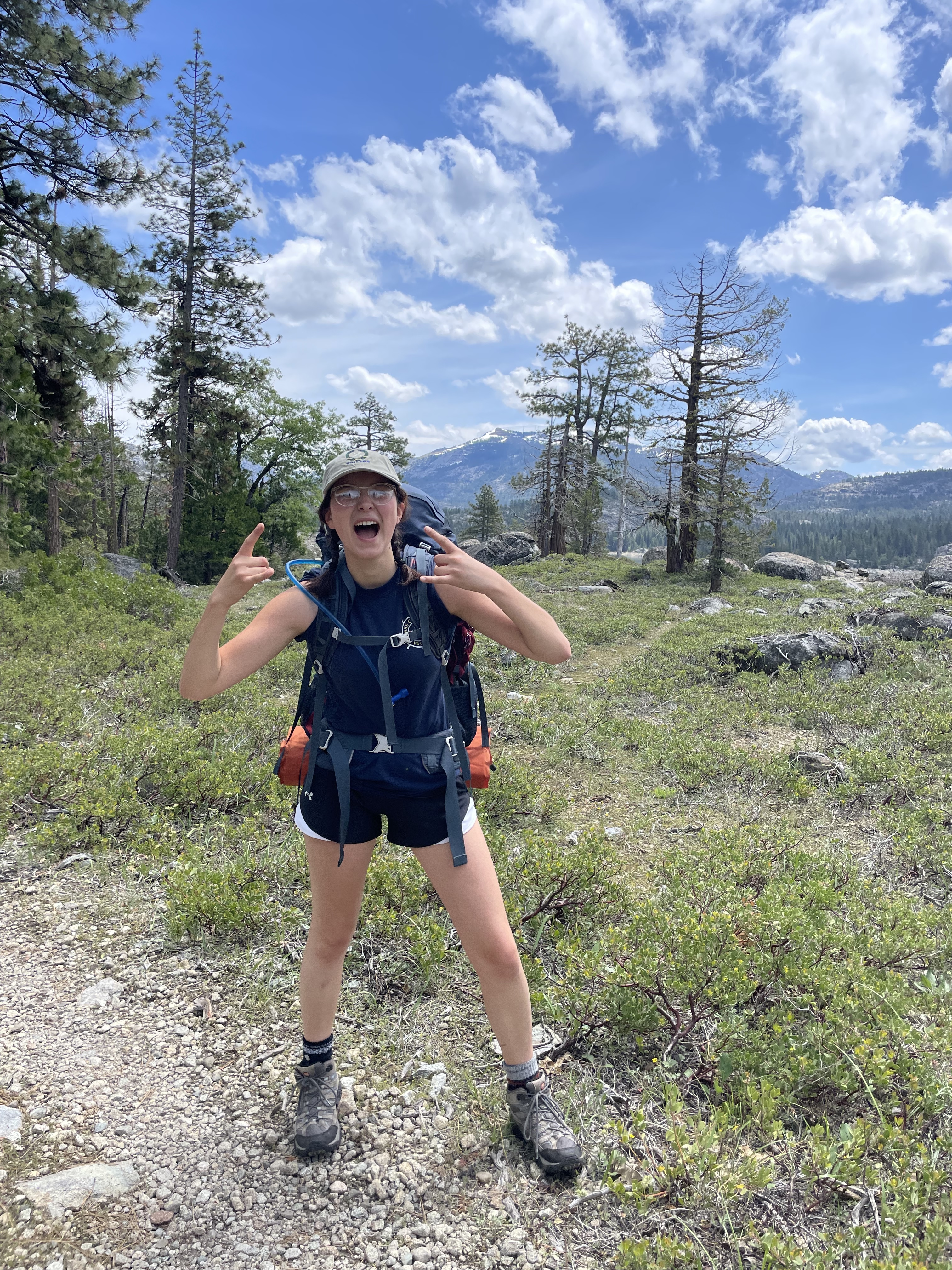
Amelie is an undergraduate researcher pursuing a degree in Molecular Biology at UCSB. She joined the Moeller lab in 2023 to study prey selection and preferential feeding in the kleptoplastic ciliate Mesodinium. Amelie is interested in the evolution of kleptoplasty and is currently studying the metabolic pathways associated with kleptoplasty in Mesodinium and the genetic regulation of kleptoplasty. Outside of lab Amelie can be found hiking, swimming or enjoying some quality time with her cat.
 Dr. Scott Miller, Ph.D.
MCR LTER Postdoctoral Scholar
sdmiller ‘at’ ucsb.edu
Google Scholar
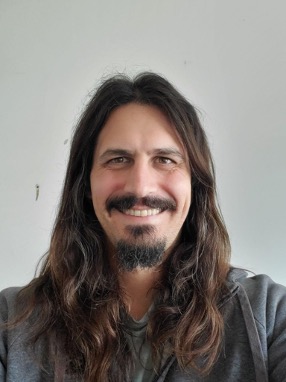
Scott is a quantitative ecologist interested in the processes that produce spatial heterogeneity in ecosystems. Scott received his B.S. in Biological Sciences from Clemson University where he studied den sharing behavior of Caribbean spiny lobsters and his M.S. in Marine Science from Moss Landing Marine Laboratories where he studied the trophic ecology of coral reef fishes. Prior to starting his postdoc with the Moeller and Burkepile labs at UCSB, he completed his Ph.D. in Biological Science at Florida State University where he worked with the Moorea Long Term Ecological Research program to develop protocols to greatly scale up surveys of fish and benthic communities in coral reefs and studied the spatial dynamics of benthic macroalgae. In his postdoc, he is expanding on his Ph.D. work to mathematically model these processes to gain general insights into the spatial resilience of coral in patchy reef systems. Outside of work, you can find him reading, enjoying the outdoors, or watching football (both Clemson and the Steelers).
 Holly Moeller (she/her)
Principal Investigator
holly.moeller ‘at’ lifesci.ucsb.edu
Website / Google Scholar
2022 Quanta Magazine profile
2025 Simons Foundation Presidential lecture
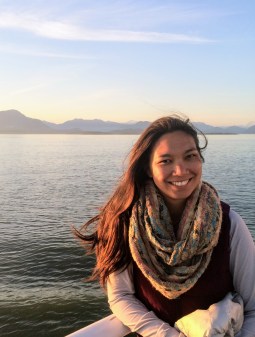
Holly is a theoretical ecologist who uses mathematical and empirical approaches to understand acquired metabolism. Originally trained as a photophysiologist and phytoplankton ecologist, she built her mathematical toolkit as a masters student working on marine reserve bioeconomics. As a PhD student with Dr. Tadashi Fukami (and co-advised by Dr. Peter Vitousek), she studied the ancient and diverse metabolic mutualism between trees and ectomycorrhizal fungi. Holly spent most of her postdoctoral tenure as an NSF Postdoctoral Research Fellow at the Woods Hole Oceanographic Institution, studying acquired metabolism in plankton with Drs. Michael Neubert and Matthew Johnson. She was also briefly a Biodiversity Research Centre Postdoctoral Fellow at the University of British Columbia, before moving to UCSB. In addition to her scientific work, Holly is a bit of a ‘math evangelist,’ who tells everyone that she meets about the vital role of mathematics in biology.
 Dr. Ferdinand Pfab, Ph.D.
Postdoctoral Scholar
ferdinand.pfab ‘at’ gmail.com
Google Scholar
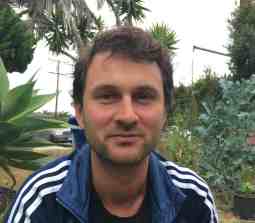
Ferdinand is a mathematical biologist. He started out his career very practically, guiding canoe tours in Turkey on a small river floating from the Taurus Mountains to the Mediterranean Sea. He then went on to study Biology and Mathematics at the Ludwig-Maximilians-University in Munich, Germany, and the Çukurova University in Adana, Turkey. For his Masters thesis, he worked with Prof. Wilfried Gabriel on models for phenotypic plasticity. After that, he moved to Italy, where he earned a PhD in Mathematics at the University of Trento. For his PhD thesis he worked with the groups of Prof. Andrea Pugliese (University of Trento), Prof. Gianfranco Anfora (Edmund Mach Foundation, Trento) and Prof. Vaughn Walton (Oregon State University, USA). His thesis was about population dynamics of invasive insect species and biological control programs. He then came to UCSB, where he started working with the groups of Prof. Cherie Briggs and Prof. Roger Nisbet on population and disease dynamics, evolution in changing environments and dynamic energy budget models. Finally, he joined the Moeller lab, where he is modeling the metabolism and epigenetic adaptations of corals and their algal symbionts. When Ferdinand is not working on models, he likes to admire the beauty of nature. He is also always curious to learn about different cultures and languages around the world.
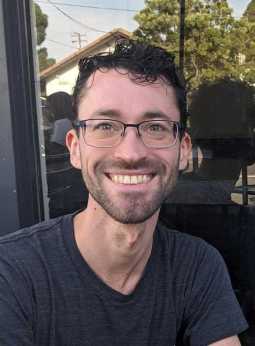 Dr. Zach Reitz, Ph.D. (they/them)
Postdoctoral Scholar
zlreitz ‘at’ ucsb.edu
Google Scholar
Zach is a bioinformatician and bioinorganic chemist interested in the chemistry and biology of bacterial specialized metabolism. They originally trained as a synthetic organic chemist at Penn State before moving to Santa Barbara to escape winter for a Ph.D. in chemistry. Working under Prof. Alison Butler, Zach studied metallophores—molecules that bacteria use to scavenge trace metals from their environment—and developed computational methods to accelerate metallophore discovery. They then moved to the Netherlands for a postdoc with Prof. Marnix Medema at the Wageningen University Bioinformatics Group, where they developed software for predicting gene function from bacterial (meta)genomes and (meta)transcriptomes. Zach is now back at UCSB, working with Holly and Prof. Stephen Proulx to explore how metallophores evolve and persist as a public good. When not thinking about metallophores, Zach enjoys circus arts, sailing, and working in their garden.
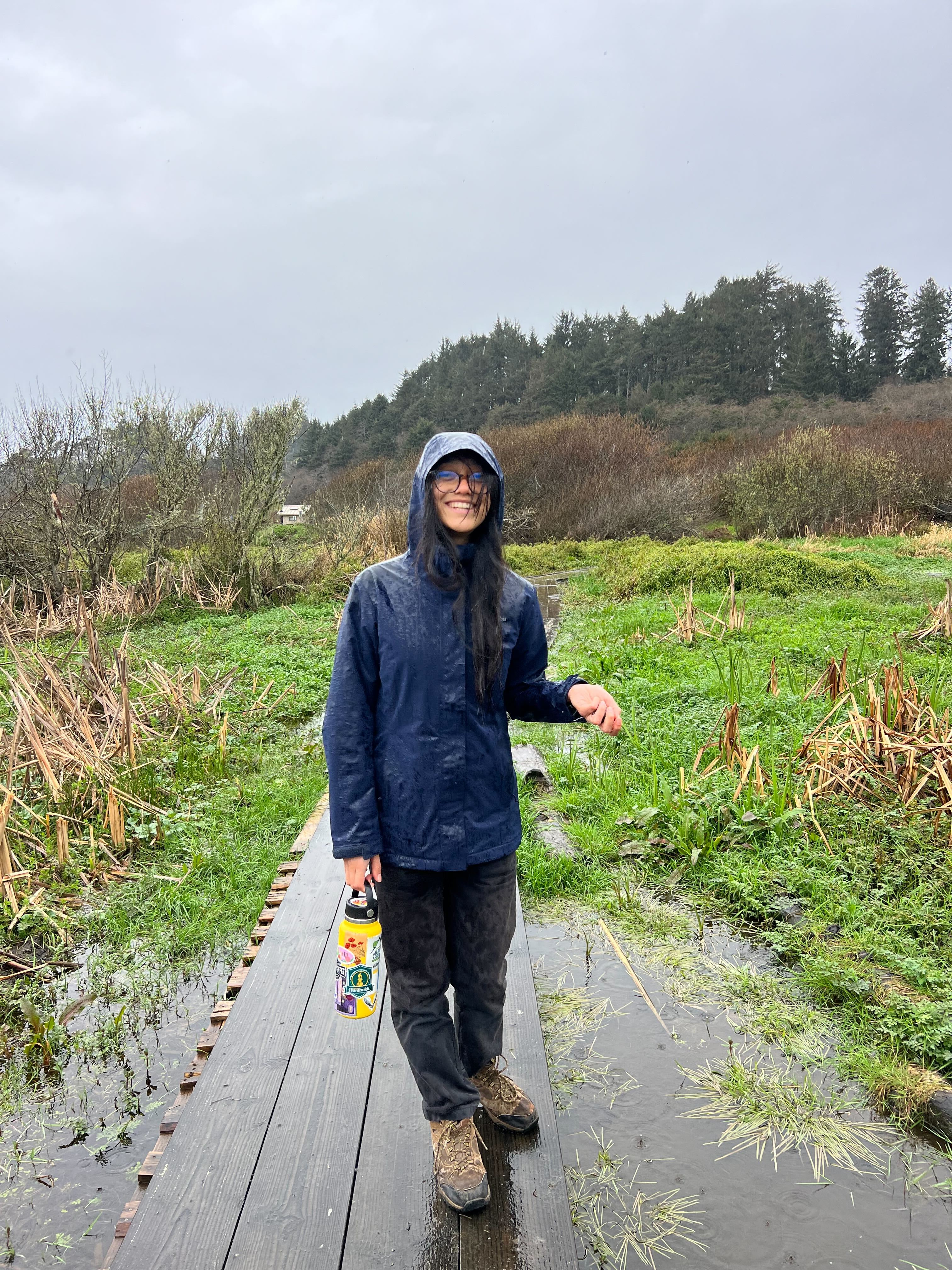 Jazmin Sedano
Masters Student
jazminsedano ‘at’ ucsb.edu
Jazmin is interested in understanding the strategies involved in the initiation and maintenance of belowground plant-fungal symbioses under different environmental contexts. Her current work aims to investigate the mechanisms behind tree-ectomycorrhizal associations to better understand what drives their interactions at the landscape scale within an ecological gradient. She received her B.S. in Botany at Cal Poly Humboldt where she briefly processed Podocarpaceae fossils and made observations of microscopic root nodule anatomy and mycorrhizal symbiont structures within Prof. Mihai Tomescu’s lab. After receiving her degree, she worked for the Educational Opportunity Program/Student Support Services as an adjunct lecturer for General Botany where she developed her passion for working with students to support successful and culturally informed learning in STEM. Jazmin loves to cook/bake, hike/camp, and appreciate life as it comes.
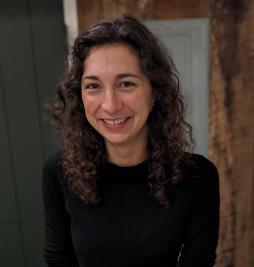 Dr. Bethany Stevens, Ph.D.
Postdoctoral Researcher
bstevens ‘at’ ucsb.edu
Google Scholar
Bethany is a mathematical ecologist interested in the mechanisms that generate patterns in functional diversity. She received her PhD in Biological Oceanography from the Massachusetts Institute of Technology and Woods Hole Oceanographic Institution. Through a combination of field work and structured population modeling, she studied the local dynamics of picophytoplankton (the smallest, most abundant photosynthetic organisms in the world) and identified environmental controls on their abundance as they varied across space and time. In the Moeller Lab, she hopes to develop spatial models of mutualisms between trees and ectomycorrhizal fungi to investigate the maintenance of different interaction strategies within a community. Bethany is grateful to the professors at Rice University who persuaded her to use her degree in mathematics to study ecology, and to her PhD advisors, Heidi Sosik and Michael Neubert, who helped her develop the skills to do so.
 Marcus Varni
Ph.D. Student
mjvarni ‘at’ ucsb.edu
Marcus is a Ph.D. student interested in the molecular mechanisms of kleptoplasty and how they differ across Mesodinium species. He is co-advised by Prof. Michelle O’Malley in the Chemical Engineering Department. He earned his B.S. in Genetics and Plant Biology and B.A. in Molecular and Cell Biology from UC Berkeley, where he studied non-photochemical quenching in brown microalgae and worked on developing single-walled carbon nanotubes (SWCNT) conjugated with siRNA for transient gene silencing in green microalgae. Prior to joining the lab, he worked as a lab technician at Stanford and Carnegie Science studying oil production in oleaginous green microalgae isolated from Northern California freshwater environments. In his free time, he enjoys rock climbing, boardgames, and taking care of his plants.
Lab Alumni
[[Biographies of some former lab members]]
Postdoctoral Researchers
Kevin Archibald (2020-2024). Presently: AAAS Science & Technology Fellow
Laura Bogar (2019-2022). Presently: Assistant Professor, UC Davis
Alexandra Brown (2019-2022). Presently: Postdoctoral Researcher, UC Berkeley
Suzana Leles (2022-2025). Presently: Assistant Professor, UT Marine Science Institute
Christopher Paight (2020-2023). Presently: Data scientist and Navy contractor
Graduate Students
An Bui, M.S., 2021. Presently: Teaching Professor in Environmental Studies, UCSB
Raine Detmer, Ph.D., 2025. Presently: Postdoctoral Researcher, Stier Lab, UCSB
Sevan Esaian, Ph.D. Student (2018-2021). Presently: Data Scientist, LA Childrens’ Hospital
Michelle Lepori-Bui, M.S., 2022. Presently: Marine Water Quality Specialist, Washington Sea Grant
Gabe Runte, Ph.D., 2025. Presently: Scientist, The Nature Conservancy
Technical Staff
Gina Barbaglia (2023). Presently: Physician’s assistant, Santa Barbara
AG Camara (2024-2025). Presently: Ph.D. student, University of Canterbury
Ean Eberhard (2020-2021)
Meredith Honig (2022-2024). Presently: NSF Graduate Fellow, Univ. Washington
Ryan Marczak (2021). Presently: Research Associate, Agilent
Isobel Mifsud (2021-2022). Presently: NSF Graduate Fellow, Columbia Univ.
Andreas Norlin (2021-2023). Presently: Ph.D. student, University of South Florida
Nicole Wallace (2021). Presently: VitroLabs
Undergraduate Researchers
Safiya Alavi (2022-2023). Presently: Data scientist. Moeller Lab Project Website
Gina Barbaglia (2021-2023). Presently: Physician’s assistant, Santa Barbara
Ethan Baxter (2019-2023). Presently: Ph.D. student in Mathematics, Northwestern University
Grace Casarez (2018-2021). Presently: M.S. Student in Mathematics, Stanford University
Cara Chinn (2017-2018)
Tianyi Chu (2021-2022). Presently: M.S. Student in Bioinformatics, Yale University
Aubrey Chuen (2021-2023)
Maggie Doyle (2021-2024). Presently: Environmental Scientist, Blue Tomorrow LLC
Carles Falcó i Gandia (2018-2019). Presently: Ph.D. Student in Mathematics, Oxford University
Ileana Fenwick, REU Student (2019). Presently: NSF Graduate Fellow and Ph.D. Student in Biology, UNC Chapel Hill
Ashley Fong (2024-2025). Presently: UC Berkeley School of Optometry
Logan Gonzalez (2018-2020). Presently: NSF Graduate Fellow and Ph.D. Student, Rutgers University
Veronica Hsu (2017-2021); Goldwater Scholar (2020). Presently: Ph.D. student in Immunology, Harvard
Kelsey Husted (2018-2020)
Jagger Joyner (2020-2022). Presently: Researcher, Santa Barbara Botanic Garden
Jakob Kaare-Rasmussen (2021-2023). Presently: Ph.D. student, Population Biology, UC Davis
Josephine Kaminaga (2022-2023). Presently: Undergraduate, UCSB
Ronja Keeley (2020-2024). Presently: Visiting researcher, New Zealand
Kristen Klitgaard (2019-2020). Presently: Applied Research Lead, Beeflow
Jessilin Lee (2022-2024). Presently: Undergraduate Researcher, UCSB
Bailey McKernan (2021-2023). Presently: Masters student, San Diego State University
Conner Mertz (2018-2019). Presently: NSF Graduate Fellow and Ph.D. Student in Biology, Univ. of New Mexico
Alex Smith, Undergraduate Researcher (2019-2020) and Technician (2020-2021). Presently: Masters Student in Biology, University of Colorado Denver
Tamia Valledor (2024)
High School Interns
Ethan Chau (2017-2019). Presently: Undergraduate, UCLA
Gone But Not Forgotten
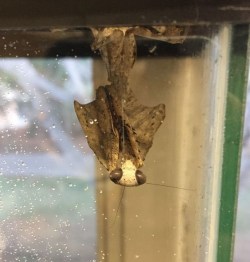 Morticia (f.k.a. Morty)
Lab Pet (2018-2019)
Now a specimen at the Cheadle Center
Morticia, a dead-leaf mantis, joined the Moeller lab in the summer of 2018. Before that, she had experience in behavioral ecology as part of the Pruitt Lab, where she assisted in teaching undergraduates experimental research techniques. In a study of whether behavior predicted attack rates, her species was the only one whose behavior patterns were significant. Her other interests included hunting and eating crickets, slurping up water droplets, and hanging upside down staring out the window. She went on to be the longest lived of all the mantids in her cohort, passing away surrounded by her friends on March 15, 2019.
 The Moeller Lab